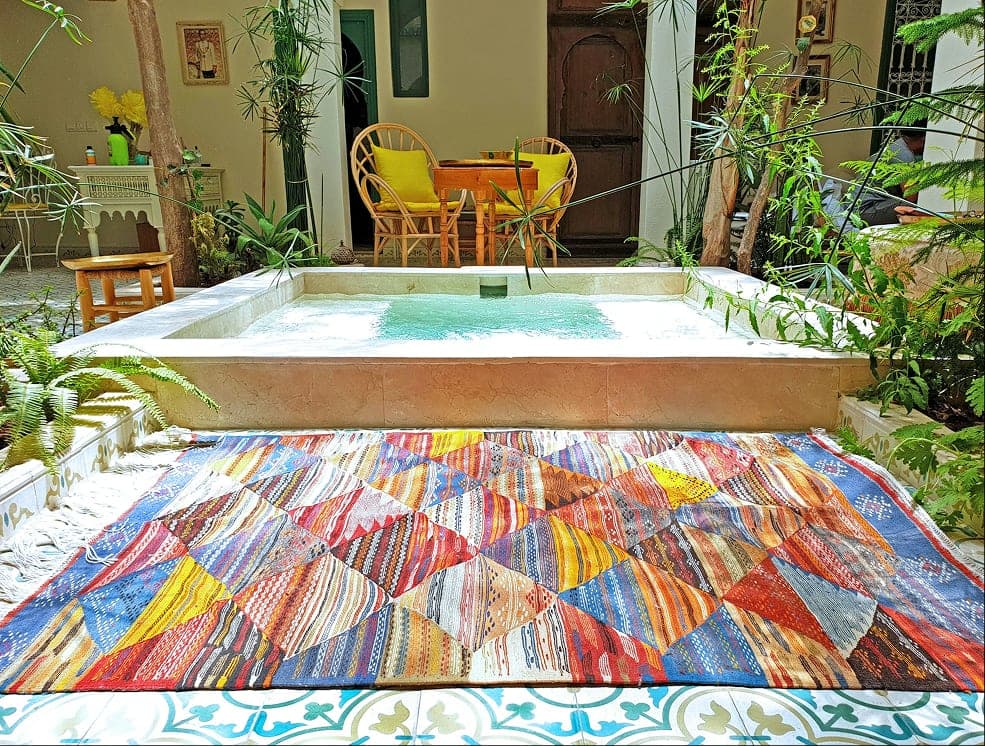
How to recognize a real handmade Berber rug
If everything is said to be handmade, look closely at the material, the consistency of the gesture, and the finishing details. Here are the key signals of an authentic piece.
Lire la suite

03/11/2026 • Temps de lecture: 1 minute
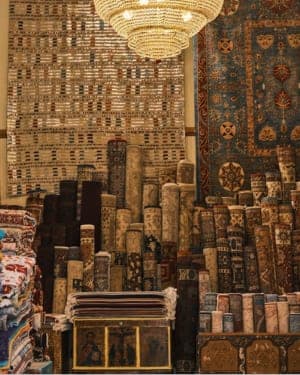
Everything starts with selecting the earth. Well-prepared clay makes throwing easier and reduces cracks.
Drying is a delicate phase: too fast and the piece weakens; too slow and it delays the whole production cycle.
Firing transforms the material and sets the form. Temperatures and timing vary depending on the chosen technique.
Every bowl, vase, or plate becomes a unique piece marked by the artisan's gesture.
Partager l'article


If everything is said to be handmade, look closely at the material, the consistency of the gesture, and the finishing details. Here are the key signals of an authentic piece.
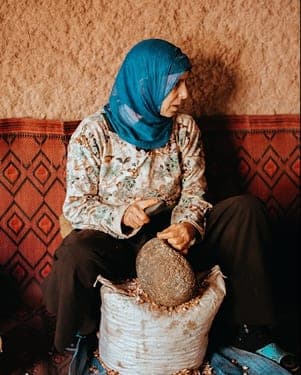
In the heart of old alleys, workshops tell a different way of producing: slower, closer to materials, and more human.
Berber rugs move across generations. Motifs, colors, and textures create a visual language that is rich and alive.