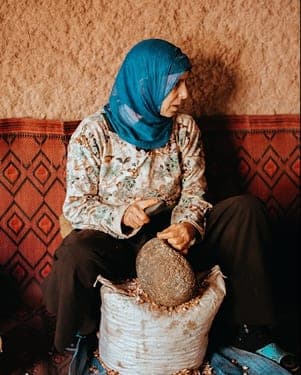
In the medina alleys
In the heart of old alleys, workshops tell a different way of producing: slower, closer to materials, and more human.
Lire la suite

11/11/2026 • Temps de lecture: 2 minutes
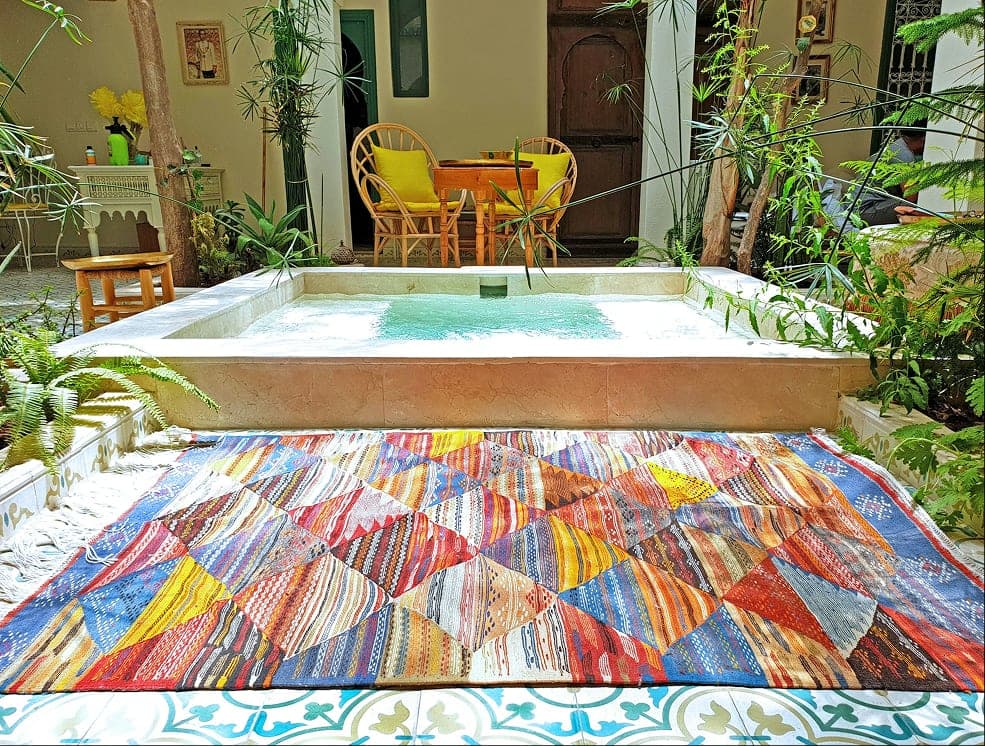
You walk into a shop. The walls are lined with colorful rugs. The seller smiles: "Everything is handmade," he says. The purchase feels close. Then comes the doubt.
Do not panic. With just a few minutes of observation, you can tell a genuine Berber rug from an industrial piece.
1) IRREGULARITIES THAT SHOW THE HAND - A handmade rug keeps small variations: a slightly freer line, density that changes a bit, knot points that are never exact clones.
2) THE BACK OF THE RUG - Turn the piece over. On a real rug, the knots appear with small variations. The pattern remains visible on the back, but without mechanical perfection.
3) KNOT DENSITY - High density alone is not enough. Look instead for an even, solid weave and a structure that holds up over time.
4) THE MATERIAL - Natural wool has a living touch and a light fiber scent. Cotton or blended wool can also work, but the combination should remain coherent with the intended use.
5) THE FRINGES - On a handmade rug, the fringe is often the continuation of the warp. When it is added later and glued on, pay close attention to the overall quality.
Final tip: take a few photos in natural light, compare front and back, and ask about the workshop behind the piece. A good seller knows its story.
Partager l'article


In the heart of old alleys, workshops tell a different way of producing: slower, closer to materials, and more human.
From raw earth to the finished object, every step matters. Clay keeps the mark of the hands that shape it with care.
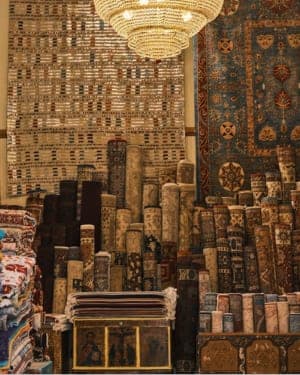
Berber rugs move across generations. Motifs, colors, and textures create a visual language that is rich and alive.